


Introduction to Potato Chip Packaging
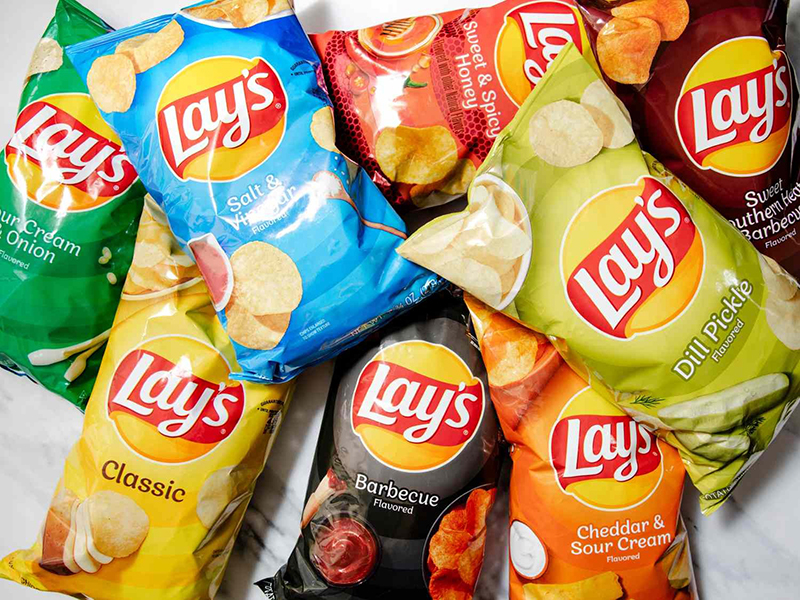
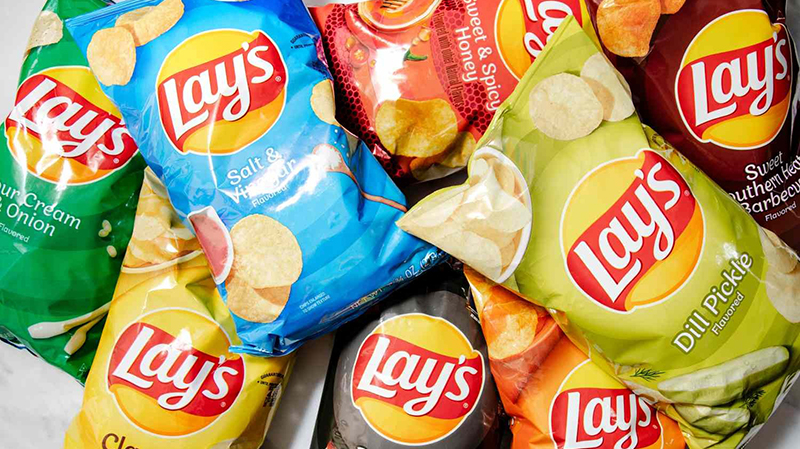
As consumer preferences shift toward bold flavors and healthier snack alternatives, the packaging sector must evolve in tandem with these changing dynamics. Potato chip packaging plays a pivotal role not only in preserving product freshness and crunch but also in capturing consumer attention on crowded retail shelves. This guide explores the intricacies of modern chip packaging, examining how innovative technologies and materials work together to deliver the perfect snacking experience.
Why Do You Need a Potato Chips Packaging Machine?
In large-scale chip production, manual packaging is simply not viable. Dedicated packaging machinery ensures product safety, extends shelf life, and maintains economic efficiency. These systems provide airtight seals to lock in freshness, prevent breakage during handling and transit, and perform real‑time weight checks to guarantee accuracy. They also enable consistent branding and labeling—tasks that would be impractical to execute manually at high volumes. Ultimately, a reliable packaging machine is the backbone of any competitive chip manufacturing operation.
How Are Potato Chips Packed?
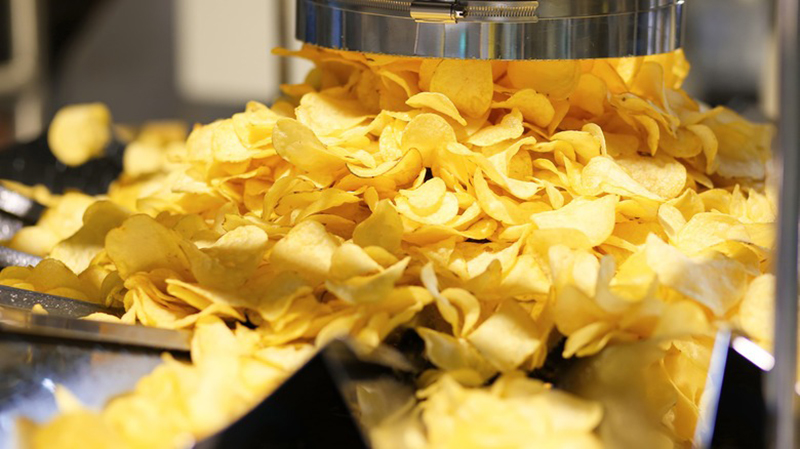
The journey from freshly fried chips to sealed bags is a highly automated, precision‑driven process. After frying and seasoning, chips are conveyed to a multi‑head weigher, which divides them into exact portions with minimal waste. The system then transfers the weighed portions into bag‑forming units, where nitrogen gas is injected to displace oxygen before sealing. This entire sequence—from weighing to gas flushing to sealing—occurs at remarkable speed, ensuring each bag emerges crisp, fresh, and ready for distribution.
What Kind of Potatoes Are Suitable for Making Potato Chips?
The choice of potato variety directly influences chip texture, flavor, and appearance. Ideal chip‑making potatoes share three key characteristics:
High Starch Content – Also known as “floury” or “mealy” potatoes, these yield a light, crispy texture after frying.
Low Moisture Content – Excessive water leads to soggy chips; lower moisture means more crispness per slice.
Low Sugar Content – Minimal sugars prevent excessive browning or darkening during frying, ensuring an appealing golden color.
Conclusion
Potato chip packaging is far more than a final step—it is a critical function that preserves quality, enhances brand value, and drives operational efficiency. From selecting the right potato variety and materials to deploying advanced multi‑head weighing and nitrogen flushing technologies, every stage matters. With the right equipment partner like Leonspack, manufacturers can achieve consistent quality, reduced waste, and greater consumer appeal, all while staying competitive in a fast‑moving market.