


Introduction
In modern manufacturing, packaging efficiency directly affects product quality, production speed, and brand reputation. Among all packaging processes, bottle filling is one of the most critical steps across food, beverage, pharmaceutical, cosmetic, and chemical industries. Understanding available bottle filling machine types helps manufacturers select the right solution, optimize production, and reduce long‑term costs. This guide explores bottle filling machine types, working principles, applications, and how complete filling lines are configured for today’s production facilities.
What Is a Bottle Filling Machine?
A bottle filling machine is industrial equipment designed to accurately dispense liquids, powders, granules, or viscous products into bottles or containers. These machines operate independently or as part of integrated bottle filling lines that may include rinsing, capping, labeling, and inspection. Common applications include food and beverage, sauces and condiments, cosmetics, pharmaceuticals, and household/industrial chemicals. Choosing the right type ensures consistent fill accuracy, minimizes waste, and supports regulatory compliance.
How Bottle Filling Machines Are Classified?
Bottle filling machines are grouped in several ways based on automation level, filling principle, product type, and layout.
By Automation Level
· Manual – Operator‑controlled, low cost, suited for small‑scale or lab use.
· Semi‑automatic – Operators position bottles; filling is automated. Popular for small to medium manufacturers.
· Fully automatic – Complete lines with bottle feeding, filling, capping, and conveying for high‑speed, continuous production with minimal human intervention.
By Filling Measurement
· Volumetric – Dispenses a preset volume per cycle; common for liquids and viscous products.
· Liquid level – Fills to a consistent visual level; ideal for transparent beverage/cosmetic bottles.
· Net weight – Uses weighing systems for precise fill weight; common in chemical or high‑value applications.
By Product Type
· Liquid fillers – For free‑flowing liquids like water, juice, vinegar, alcohol.
· Viscous/paste fillers – For sauces, creams, gels.
· Powder fillers – For protein powders, spices, pharmaceuticals.
· Granule/solid fillers – For seeds, nuts, candies, detergents.
Main Types of Bottle Filling Machines and How They Work?
· Gravity fillers – Use gravity to dispense thin, non‑viscous liquids; common in beverage/water bottling.
· Pump fillers – Use mechanical or servo‑driven pumps; versatile across a wide viscosity range.
· Piston fillers – Use cylinder/piston systems for precise volumes; ideal for viscous products like sauces and creams.
· Overflow level fillers – Maintain consistent fill levels by returning excess liquid to the tank; widely used in cosmetics.
· Vacuum fillers – Extract air before filling; suitable for fragile glass containers or specialty liquids.
· Auger fillers – Use a rotating screw for powders and fine granules.
· Multi‑head scale systems – Use multiple weighing heads for high‑speed, accurate filling of granular products.
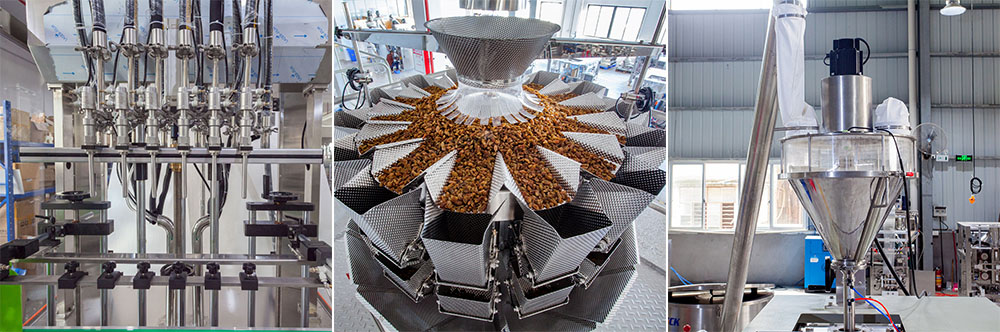
Bottle Filling Lines: More Than Just a Filling Machine
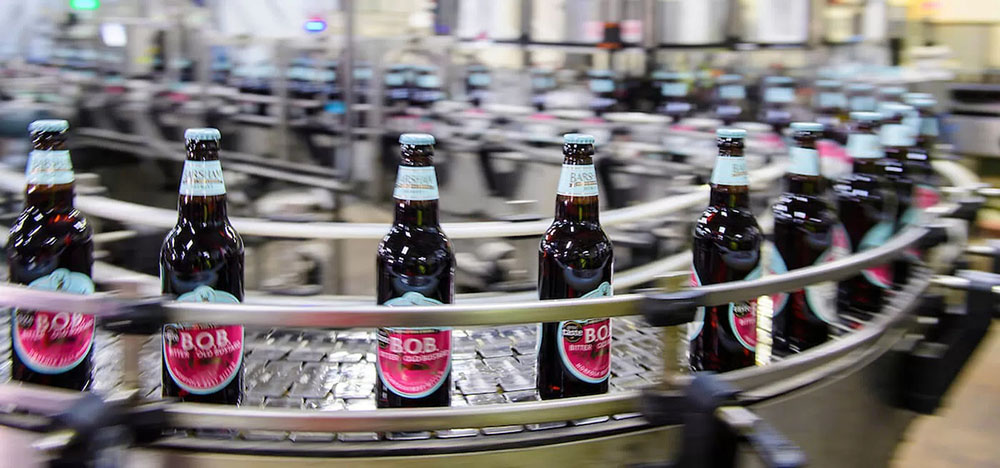
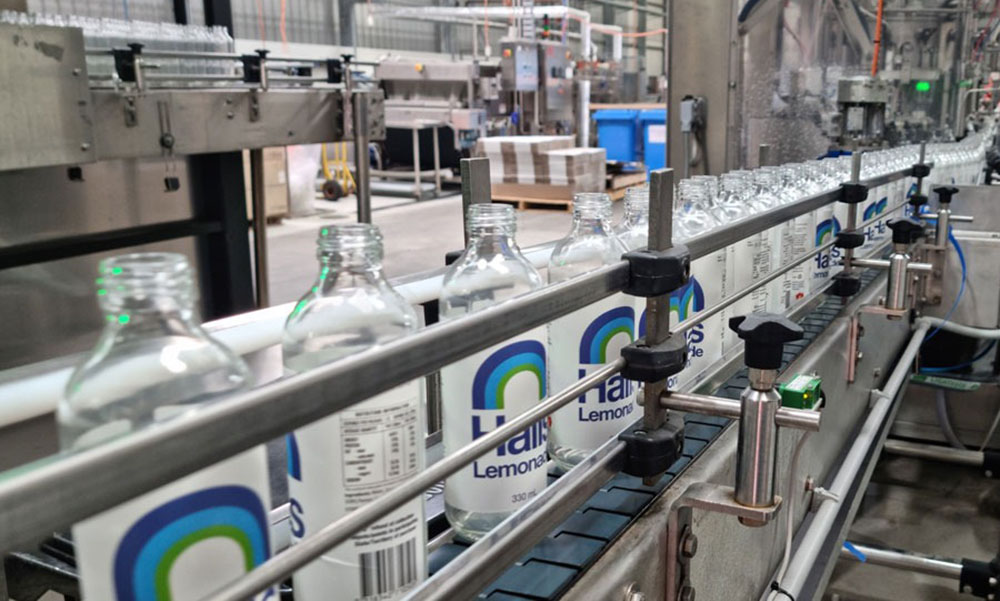
Modern production facilities typically rely on complete bottle filling lines rather than standalone machines. A full system may include bottle rinsing/washing, filling machines, capping units (screw, snap, or press), labeling machines, conveyors, and inspection units. Integrating these components into a single workflow improves efficiency, reduces labor dependency, and maintains consistent quality. Selecting compatible equipment is essential for seamless operation and future scalability.
How to Choose the Right Bottle Filling Line Equipment
Key factors to consider:
· Product characteristics – Viscosity, foaming, temperature sensitivity, and particle size influence filling technology.
· Speed and capacity – High‑output facilities need fully automatic lines; smaller producers may opt for semi‑automatic.
· Container type and size – Bottle shape, material, and volume must match filling/capping systems.
· Hygiene and compliance – Food, pharmaceutical, and cosmetic industries require easy‑clean designs meeting international standards.
· Future expansion – Modular equipment allows upgrades as demand grows.
Applications Across Industries
· Food & Beverage – Water, juice, sauces, edible oils.
· Cosmetics & Personal Care – Lotions, creams, shampoos.
· Pharmaceutical – Syrups, supplements, liquid medicines.
· Chemical & Industrial – Detergents, disinfectants, solvents. Each industry requires specific features, from hygienic design to corrosion‑resistant materials.
Conclusion
Understanding bottle filling machine types is essential for manufacturers aiming to optimize efficiency and product quality. From manual fillers to fully automated lines, each solution serves a specific purpose based on product type, capacity, and industry needs. By evaluating filling principles, automation levels, and equipment integration, manufacturers can select the most suitable bottle filling line equipment and build scalable, reliable production systems for long‑term success. If you need help selecting a bottle filling solution for your production line, Leonspack’s team can review your product, container, speed requirements, and layout to recommend the right configuration.